
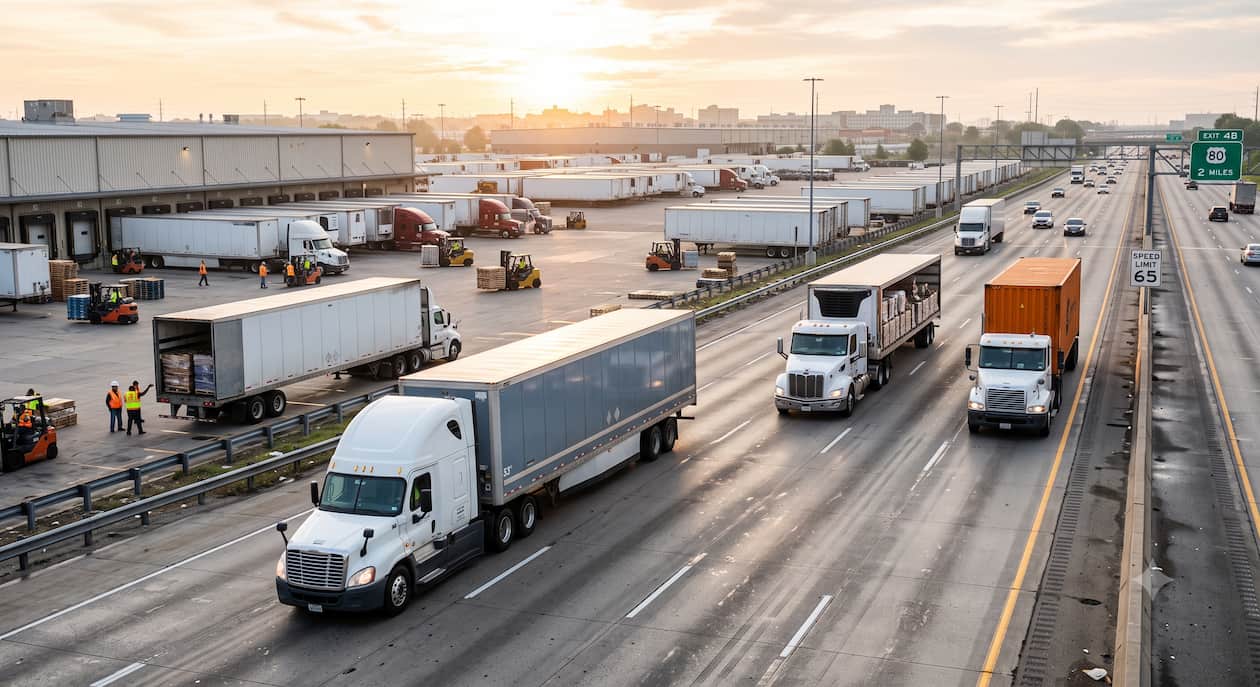
Shipping Guide
Shipping Guide
The best freight shipping companies in the US include Old Dominion Freight Line, FedEx Freight, XPO, Estes Express Lines, R+L Carriers, TForce Freight, Saia, ABF Freight, Schneider National, and C.H. Robinson. The right choice depends on whether you need LTL, FTL, expedited, or international shipping, along with factors like pricing, reliability, coverage, and tracking capabilities.
When you're shipping freight across the United States, choosing the right carrier isn't just about getting the lowest quote. A slightly cheaper rate can quickly become expensive if your shipment arrives late, gets damaged, or is difficult to track.
I've seen this happen countless times in freight forwarding. A customer compares two carriers and saves $80 on the freight bill, only to lose hundreds or even thousands because the delivery misses a warehouse appointment or arrives with damaged pallets. On the other hand, paying a little more for the right carrier often means fewer headaches, better communication, and happier customers.
The truth is, there isn't a single freight shipping company that's the best for everyone. The right choice depends on what you're shipping, where it's going, how quickly it needs to arrive, and how much service you expect along the way.
This guide compares some of the most trusted freight shipping companies in the US based on their network, services, reliability, technology, customer reputation, and suitability for different shipping needs. Whether you're a small business sending occasional pallet shipments or a large manufacturer moving truckloads every day, you'll find a carrier that fits your requirements.
| Company | Best For | LTL | FTL | International | Expedited | Tracking |
|---|---|---|---|---|---|---|
| FedEx Freight | Reliable nationwide LTL | ✅ | Limited | ✅ | ✅ | Excellent |
| Old Dominion Freight Line | Premium LTL service | ✅ | No | Limited | Limited | Excellent |
| XPO | Technology & LTL | ✅ | Limited | Limited | Yes | Excellent |
| Estes Express Lines | Regional & national freight | ✅ | Limited | Limited | Yes | Very Good |
| R+L Carriers | Flexible shipping solutions | ✅ | Yes | Yes | Yes | Very Good |
| TForce Freight | Time-sensitive freigh | ✅ | Limited | Limited | Excellent | Excellent |
| Saia | Fast regional deliveries | ✅ | Limited | Limited | Yes | Very Good |
| ABF Freight | Heavy & industrial freight | ✅ | Limited | Limited | Yes | Excellent |
| Schneider National | Full truckload shipping | Limited | ✅ | Yes | Yes | Excellent |
| C.H. Robinson | Freight brokerage & multimodal | ✅ | ✅ | ✅ | ✅ | Excellent |
You'll find dozens of articles online claiming to rank freight carriers, but many simply list company names without explaining why they made the list.
For this guide, the companies were evaluated based on factors that actually matter to shippers:
No carrier is perfect. Even the biggest names occasionally experience delays due to weather, road closures, labor shortages, or unexpected demand. That's why this guide focuses on where each company performs best instead of trying to crown one universal winner.
Many first-time shippers assume freight companies are all the same. They're not.
The differences become obvious once you've handled multiple shipments.
A strong freight carrier usually offers:
For businesses shipping regularly, these factors often matter far more than saving a few dollars on freight costs.
When people hear "FedEx," they often think about parcel deliveries. However, FedEx Freight has built one of the largest Less-Than-Truckload (LTL) networks in North America.
For businesses shipping pallets instead of small packages, it's often one of the safest choices.
One advantage many businesses appreciate is the visibility. Customers can usually track freight movements in detail, reducing uncertainty during transit.
Ask experienced logistics professionals which LTL carrier consistently performs well, and Old Dominion Freight Line is frequently mentioned.
Rather than trying to compete purely on price, ODFL has built its reputation around service quality.
Many companies that ship high-value products are willing to pay slightly higher rates because missed deliveries and damaged freight can cost much more than the freight bill itself.
XPO has become one of the largest freight transportation companies in North America by investing heavily in technology.
For businesses that value digital tools, automated tracking, shipment analytics, and online management, XPO stands out.
Many logistics managers appreciate being able to monitor freight without repeatedly contacting customer service.
Estes Express Lines has quietly become one of America's largest privately owned freight carriers.
Although it may not receive as much public attention as FedEx or UPS, it's highly respected within the logistics industry.
One reason many freight forwarders recommend Estes is its balanced combination of pricing and service quality.
R+L Carriers offers much more than standard Less-Than-Truckload shipping.
Businesses can use the company for domestic freight, expedited deliveries, guaranteed services, global shipping, and even warehousing solutions.
That flexibility makes it attractive for companies whose shipping needs change throughout the year.
For example, a business may normally use standard LTL services but switch to expedited freight during holiday inventory replenishment or urgent customer orders.
If your shipment has a strict delivery deadline, TForce Freight deserves a place on your shortlist. Originally known as UPS Freight before being acquired by TFI International, the company has continued to focus on dependable Less-Than-Truckload (LTL) transportation with an emphasis on speed and shipment visibility.
Many businesses rely on TForce when production schedules or retail delivery appointments leave little room for delays. Missing a delivery window can result in storage charges, rescheduling fees, or unhappy customers, so reliability becomes more valuable than saving a few dollars.
Saia has built a strong reputation by providing consistent LTL services across much of the United States. While its network has expanded significantly over the years, many shippers still consider Saia one of the strongest choices for regional freight.
One thing experienced logistics teams appreciate is consistency. Predictable transit times make inventory planning much easier than constantly wondering whether a shipment will arrive today or tomorrow.
Not every shipment consists of neatly wrapped pallets. Machinery, industrial equipment, oversized freight, and construction materials often require more specialized handling.
That's where ABF Freight has earned its reputation.
The company has decades of experience transporting freight that requires careful planning rather than simply loading another pallet onto a trailer.
Unlike many companies on this list that specialize in LTL freight, Schneider National is widely recognized for its Full Truckload (FTL) services.
If your shipment is large enough to fill an entire trailer or if you simply don't want your freight sharing trailer space with other shipments Schneider is one of the industry's most trusted names.
Large retailers and manufacturers frequently use FTL because it reduces handling, lowers the risk of damage, and often shortens transit times.
Unlike traditional trucking companies that operate their own fleets, C.H. Robinson is one of the world's largest freight brokers and third-party logistics (3PL) providers.
Instead of assigning your shipment to its own trucks, the company connects your freight with thousands of approved carriers across North America and internationally.
This model provides flexibility, especially when transportation markets become tight.
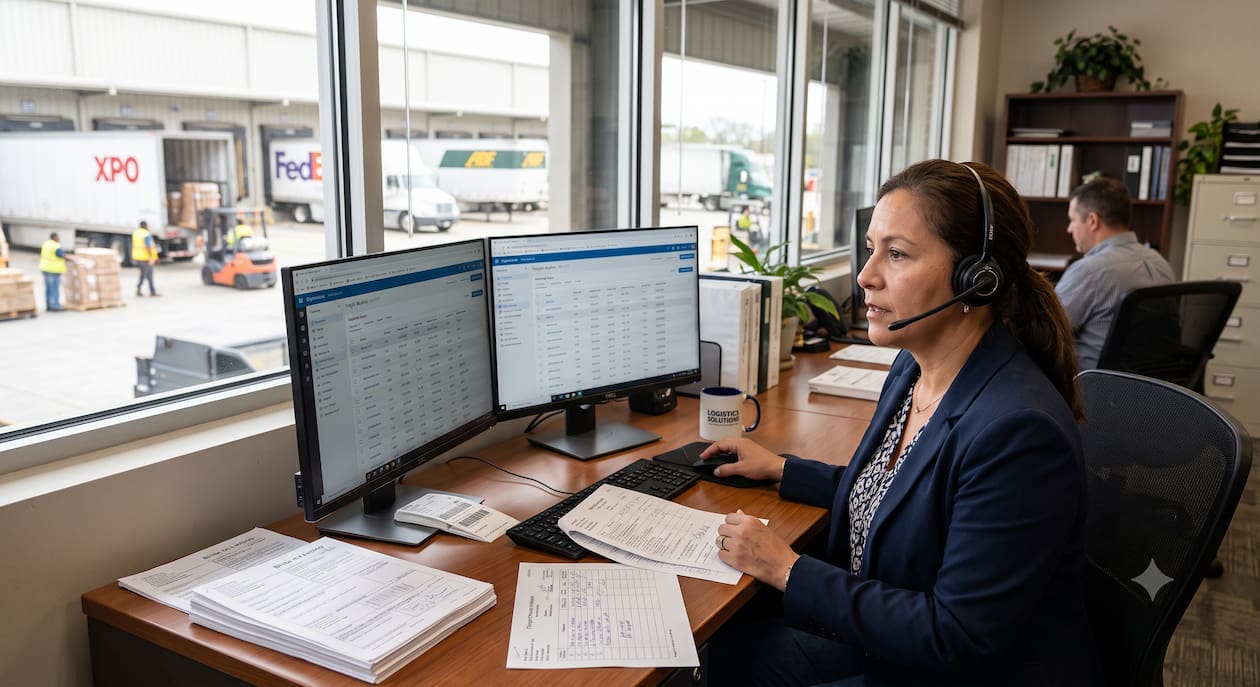
One of the biggest misconceptions is that the "best" freight company is simply the one offering the lowest rate.
In reality, experienced logistics professionals evaluate several factors before selecting a carrier.
Start by understanding what you're shipping.
Ask yourself:
Different carriers specialize in different shipment types.
If your customer needs the shipment tomorrow, choosing the cheapest standard service could become an expensive mistake.
Some freight companies perform exceptionally well within specific regions but rely on partner carriers elsewhere.
If you're shipping nationwide every week, look for carriers with a strong national terminal network.
This is often overlooked until something goes wrong.
Good tracking systems help answer questions like:
Modern shipment visibility reduces unnecessary phone calls and helps customer service teams provide accurate updates.
Even the best carriers occasionally face delays due to weather, road closures, or mechanical issues.
The difference lies in communication.
A carrier that proactively informs you about delays is often easier to work with than one that leaves you chasing updates.
Freight pricing isn't based on weight alone.
Several factors influence the final quote.
| Factor | Impact on Cost |
|---|---|
| Shipment Weight | Heavier freight usually costs more |
| Freight class | Higher freight class increases pricing |
| Dimensions | Larger shipments occupy more trailer space |
| Distance | Longer routes increase transportation costs |
| Fuel prices | Fuel surcharges fluctuate regularly |
| Residential delivery | Usually adds extra charges |
| Liftgate requirement | Additional handling fees may apply |
| Delivery appointment | Scheduled deliveries can increase costs |
| Inside delivery | Extra labor increases charges |
| Limited access locations | Schools, hospitals, farms, and construction sites often cost more |
Understanding these charges before booking helps avoid unexpected costs later.
After working around freight operations for years, a few mistakes appear repeatedly—especially among first-time shippers.
A cheaper quote doesn't always mean better value. Late deliveries, damaged freight, and poor communication can easily outweigh the initial savings.
Some businesses assume all carriers deliver within the same timeframe.Transit schedules vary depending on routes, terminals, and service levels. Always verify estimated delivery dates before booking
Using the wrong freight class is one of the most common causes of billing adjustments. If the carrier reclassifies your shipment after inspection, you may receive an unexpected invoice weeks later.
Even experienced carriers can't completely protect freight that isn't packaged correctly. Use sturdy pallets, quality stretch wrap, corner protectors, and proper labeling. Good packaging reduces damage claims significantly.
Many businesses only compare the base freight rate.
They forget additional services such as:
These charges can noticeably increase the total shipping cost.
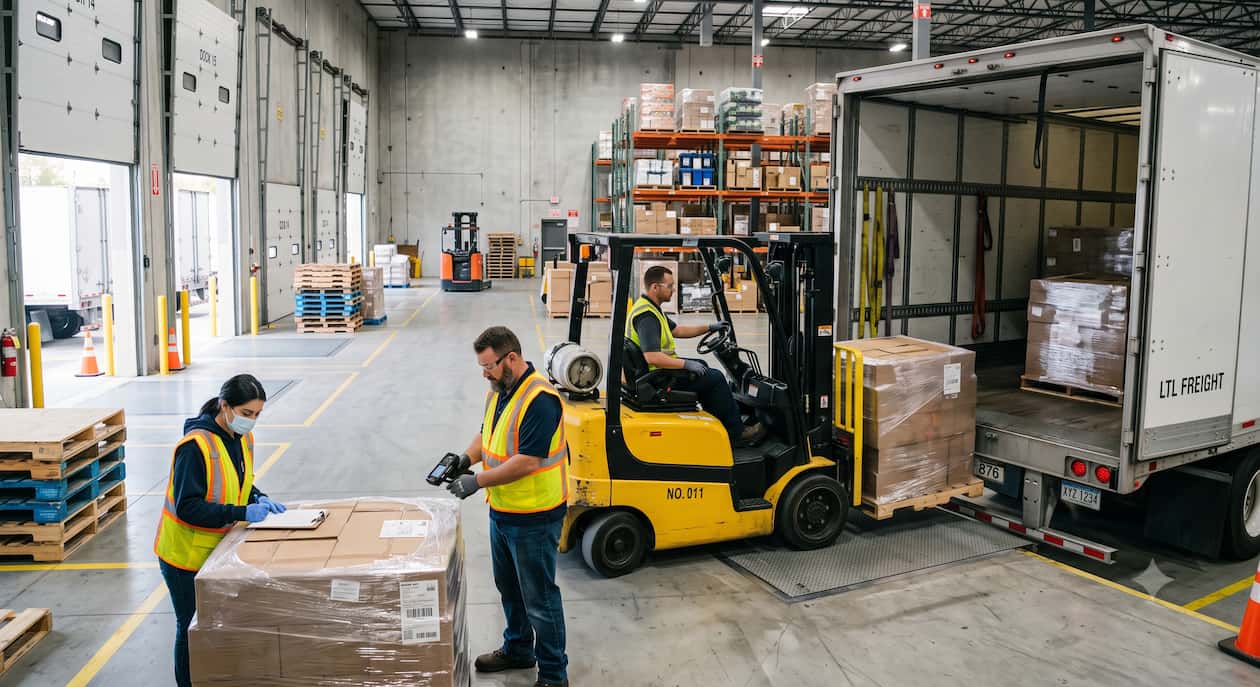
These are practices many experienced shipping departments follow but aren't always obvious to new shippers.
Rates and transit times vary depending on destination, freight class, and seasonal demand. Requesting multiple quotes often reveals better options.
Businesses shipping regularly often receive better support, faster issue resolution, and more consistent service than occasional shippers.
A strong working relationship can be just as valuable as negotiating lower rates.
The weeks leading up to major holidays often experience higher shipping volumes.
Booking earlier helps improve equipment availability and reduces the likelihood of delays.
Maintain documentation including:
These records become invaluable if you ever need to file a freight claim.
Many carriers provide limited liability coverage, but it may not reflect the actual value of your shipment.
For expensive goods, additional cargo insurance is often a worthwhile investment. One lesson that many businesses learn after shipping for a while is that the best freight shipping company isn't necessarily the biggest or the cheapest—it's the one that consistently delivers your freight safely, communicates well, and fits your specific shipping requirements. Choosing a carrier based on long-term reliability rather than a single low quote often leads to fewer delays, fewer claims, and stronger relationships with your customers.
Finding the best freight shipping company isn't about following a single ranking it's about matching the carrier to your business needs.
A small e-commerce business shipping two pallets a week will have different priorities than a manufacturer moving full truckloads across multiple states. Likewise, an importer handling international freight may benefit more from a logistics provider with customs expertise than from a carrier focused only on domestic transportation.
Before booking your next shipment, compare more than just the freight rate. Look at transit times, service coverage, shipment tracking, customer support, and the carrier's reputation for handling freight safely. A dependable shipping partner can save time, reduce operational headaches, and help you deliver a better experience to your customers.As your shipping volume grows, building long-term relationships with reliable carriers or freight brokers often proves more valuable than chasing the lowest quote every time.
There isn't one freight company that's best for every shipment. If you're shipping Less-Than-Truckload (LTL), companies like Old Dominion Freight Line, FedEx Freight, and XPO consistently rank among the most reliable. For Full Truckload (FTL), Schneider National is a popular choice, while C.H. Robinson is an excellent option if you need a freight broker with access to multiple carriers. The best carrier ultimately depends on your shipment size, destination, budget, and delivery timeline.
The cheapest option varies depending on:
The cheapest option varies depending on:
Regional carriers sometimes offer lower rates than national providers. Rather than choosing the lowest quote automatically, compare the overall value, including transit times, customer support, and claims history.
LTL (Less-Than-Truckload) means your shipment shares trailer space with freight from other customers. It's ideal for shipments that don't require an entire truck. FTL (Full Truckload) gives your shipment exclusive use of the trailer. This usually reduces handling, lowers the risk of damage, and can provide faster transit times. If you're unsure which option is right for your shipment, compare costs using our Freight Cost Calculator and Chargeable Weight Calculator.
Many small businesses prefer Estes Express Lines, FedEx Freight, and Saia because they offer reliable LTL services, online tracking, and flexible pickup options without requiring high shipping volumes. Small businesses should also compare rates from freight brokers, who may have access to discounted carrier pricing.
Look beyond price and evaluate:
Choosing a carrier with a strong reputation can reduce delays, damage claims, and unexpected costs.
Not necessarily they serve different purposes.
A freight carrier operates trucks and transports your shipment directly. A freight broker connects your shipment with one of many carriers in its network.
If you ship regularly on the same routes, working directly with a carrier may be beneficial. If your shipping needs vary, a broker can provide more flexibility and competitive pricing.
Yes. Most major freight carriers now offer online shipment tracking through their websites or customer portals.
Some also provide:
Tracking capabilities vary by carrier, so it's worth comparing their technology before booking.
Yes. Several companies on this list, including FedEx Freight, R+L Carriers, Schneider National, and C.H. Robinson, offer international shipping or partner with global logistics providers.
For overseas shipments, you'll also need to consider customs documentation, import duties, and international freight regulations.
This article is provided for educational purposes only. Shipping costs, freight rates, container capacity, and operational requirements may vary by carrier, country, cargo type, and shipment conditions.